HVAC Jobs Only jobs help installers find their dream role
Wiki Article
A Comprehensive Guide to Cooling And Heating Jobs: Skills, Training, and Work Potential customers
The cooling and heating market is a vibrant field that needs a distinct collection of skills and training. Specialists should possess solid interaction and problem-solving capabilities while paying attention to information. Trade training and accreditations are essential for those seeking to enter this sector. As need for energy-efficient technologies grows, so do job potential customers. Comprehending the pathways and needs can open varied possibilities within this industry. What are the essential aspects that can affect job development?Necessary Abilities for Cooling And Heating Professionals
Although technological expertise is important, cooling and heating professionals must likewise have a diverse set of necessary skills to succeed in their field. Communication skills are critical, as specialists usually communicate with customers to clarify complicated issues and solutions in easy to understand terms. Problem-solving abilities are just as crucial; professionals must detect and settle heating and cooling system malfunctions successfully.
Additionally, strong interest to information assurances that installments and repairs are finished precisely, lessening prospective issues. Physical endurance and dexterity are needed, given the needs of the work, including raising heavy tools and functioning in confined areas.
Time monitoring skills enable cooling and heating technicians to prioritize tasks effectively, ensuring timely service distribution. Adaptability is critical in a swiftly developing market where new modern technologies and practices emerge often. Jointly, these skills improve a cooling and heating specialist's effectiveness, assuring they meet client requirements while preserving high standards of solution.
Training and Certification Needs
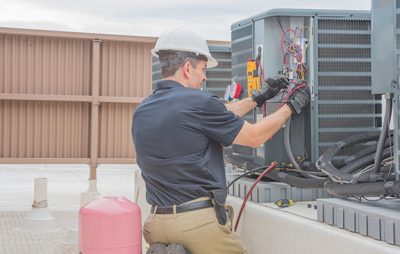
To succeed in the cooling and heating industry, people have to undertake particular training and obtain relevant certifications that confirm their skills and understanding. Usually, aiming heating and cooling specialists start with a secondary school diploma or matching, adhered to by professional training or an associate degree in HVAC modern technology. These programs typically cover fundamental concepts, system layout, and repair methods.Along with formal education and learning, getting qualifications from acknowledged companies, such as the Epa (EPA) and North American Service Technician Excellence (NATE), is necessary. EPA certification is essential for taking care of refrigerants, while NATE certification demonstrates efficiency in numerous a/c topics.
Hands-on experience through teaching fellowships or apprenticeships even more improves a person's qualifications. Continuous education and learning is also crucial, as the HVAC industry evolves with brand-new modern technologies and policies. By meeting these training and certification requirements, individuals place themselves for success in a competitive task market.
Profession Paths in the A/c Market
With the necessary training and certifications in area, people can check out various job courses within the a/c industry. Common roles consist of cooling and heating specialist, who performs fixings, installment, and maintenance of home heating, ventilation, and air conditioning systems. Another choice is ending up being a cooling and heating designer, concentrating on system layout and efficiency, usually requiring sophisticated education in design principles.In addition, people may go after sales roles, focusing on heating and cooling product or services, which necessitate strong communication skills and technological understanding. Some might pick to progress into management settings, managing teams and jobs while ensuring conformity with industry criteria. Opportunities exist in power auditing, where specialists assess power use in buildings and suggest renovations. Each course uses special obstacles and benefits, dealing with diverse ability collections and passions within the HVAC area.
Work Prospects and Employment Opportunities
The heating and cooling market flaunts a solid demand for qualified professionals, driven by the ongoing need for climate control systems in household, business, and industrial setups. As power performance and environmental sustainability ended up being progressively crucial, the need for experienced specialists continues to increase. Job leads are specifically beneficial for those with specialized training and qualifications, as companies look for individuals with the current expertise in energy-efficient innovations and clever heating and cooling systems.
According to industry records, the employment of cooling and heating professionals is predicted to expand substantially over the next years, reflecting the industry's strength even during economic fluctuations. Additionally, as older systems need substitute and brand-new structures arise, opportunities include both skilled professionals and beginners. Lots of heating and cooling companies are also increasing their solutions, developing more openings (HVAC Jobs Only website). On the whole, individuals getting in the heating and cooling area can expect a robust task market, with sufficient opportunities for development and stability
Tips for Progressing Your A/c Career
As professionals navigate their heating and cooling professions, going after continual education and learning and specialized training can considerably improve their improvement leads. Participating in qualification programs, such as those used by North American Technician Quality (NATE) or the Refrigeration Solution Engineers Culture (RSES), can greatly boost a service technician's trustworthiness and data base. Networking within the industry is just as important; attending exhibition, workshops, and local market events can open doors to new chances and partnerships.
In addition, acquiring experience in varied areas, such as business systems or power performance technologies, allows service technicians to end up being versatile professionals - HVACJobsOnly. Establishing soft abilities, including communication and analytical capabilities, is crucial for those aiming for managerial or administration roles. Staying informed regarding market patterns and arising modern technologies guarantees that HVAC professionals stay affordable in a quickly progressing field, positioning them for long-term profession success.
Often Asked Questions
What Is the Ordinary Wage for HVAC Technicians?
The average salary for cooling and heating service technicians my company differs by area and experience but normally ranges in between $40,000 and $60,000 each year. Elements such as certifications and expertise can significantly influence making prospective in this area.Exist Specialized HVAC Area to Think About?
Yes, there are specialized heating and cooling fields, consisting of household, commercial, and commercial a/c, along with locations like refrigeration, power monitoring, and interior air quality. Each field of expertise supplies one-of-a-kind abilities and career opportunities within the industry.Just How Can I Discover Cooling And Heating Job Openings?
To discover heating and cooling job openings, people need to check out online task boards, firm web sites, industry-specific discussion forums, and regional profession colleges. Networking with professionals in the field can also uncover surprise possibilities and prospective job leads.What Devices Are Essential for A/c Work?
Essential devices for a/c work include multimeters, refrigerant gauges, pipe wrenches, vacuum cleaner pumps, and leak detectors. These tools enable service technicians to diagnose, fix, and maintain Related Site air flow, air, and heating conditioning systems successfully and successfully.Can I Work in Heating And Cooling Without Accreditation?
Yes, one can function in HVAC without certification, although possibilities might be restricted. Lots of employers choose accredited prospects, and people without qualification might find it challenging to advancement in their careers or accessibility certain work placements.To succeed in the Heating and cooling sector, individuals should undertake particular training and obtain appropriate certifications that verify their abilities and expertise. Generally, striving Cooling and heating professionals start with a high college diploma or matching, followed by vocational training or an associate degree in Cooling and heating technology. With the needed training and accreditations in location, people can discover various occupation courses within the Cooling and heating industry. According to market reports, the work of Cooling and heating technicians is predicted to expand substantially over the next years, reflecting the sector's durability even during financial changes. Yes, Learn More there are specialized HVAC fields, including domestic, commercial, and commercial Heating and cooling, as well as locations like refrigeration, energy management, and interior air high quality.
Report this wiki page